The story and science behind the dish · recipe above ↑
Gourmet Wagyu Smash Burger: The Science of the Crisp Lacy Edge, Explained
What is a Wagyu smash burger?
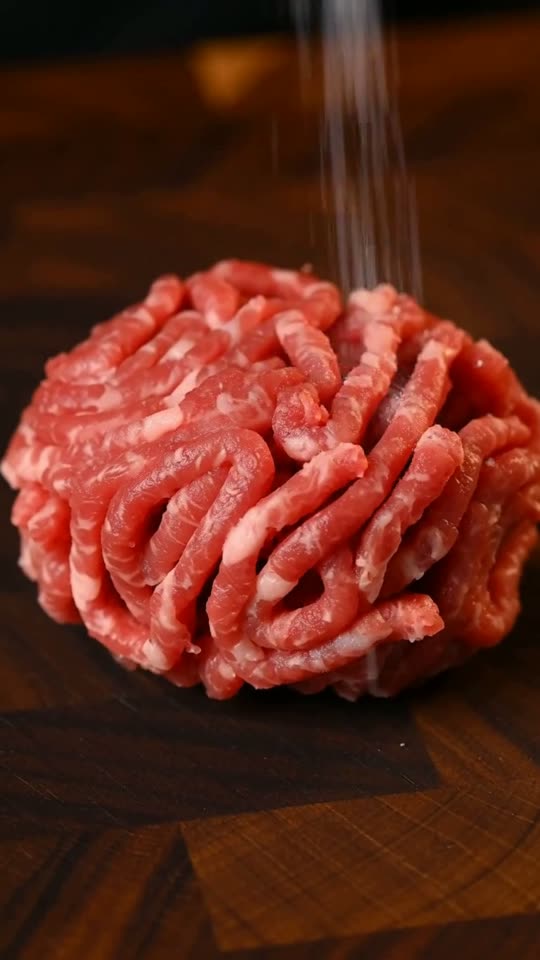
A Wagyu smash burger is a high-heat griddled hamburger made from coarsely ground American or Japanese Wagyu beef smashed paper-thin onto a searing flat-top surface. By flattening a chilled sphere of ground beef directly against ripping metal within the first thirty seconds of cooking, the meat develops an ultra-crispy, deeply browned outer crust with jagged, lacy edges while keeping the core juicy and tender.
Unlike thick pub-style patties that prioritize interior pinkness, the smash burger prioritizes surface area caramelization. Topped with molten American cheese and served inside a toasted brioche bun with tangy burger sauce, it represents the pinnacle of American roadside burger craftsmanship elevated by intensely marbled Wagyu cattle genetics.
Why does smashing create a crispy lacy edge?
The signature crispy perimeter of a smash burger is the direct result of maximizing contact area to accelerate the Maillard reaction. When ground beef is pressed firmly onto a hot cast-iron cookware griddle or steel plancha heated above 220°C (425°F), amino acids and reducing sugars rapidly recombine to form hundreds of rich, savory flavor compounds.
Firm, continuous pressure during the first thirty seconds forces the outer perimeter of the meat outward into paper-thin borders. As rendered beef fat fries these delicate edges against the steel, moisture instantly flashes off into steam, dehydrating the rim into a shatteringly crisp, irregular lacy skirt that cannot form on a conventional grill grate.
How does American Wagyu fat behave on high heat?
Wagyu beef contains a substantially higher concentration of monounsaturated fatty acids and oleic acid than conventional beef, giving its fat a melting point as low as 25°C to 28°C (77°F to 82°F). When smashed onto a smoking skillet, this delicate marbling renders almost instantly upon contact.
Because the fat liquefies immediately, the beef effectively shallow-fries in its own rendered tallow. This self-basting mechanism prevents the thin patty from drying out during its brief two-minute sear, delivering an intensely rich, buttery mouthfeel that lean cuts or commodity chuck blends cannot replicate.
What role do American cheese and brioche play?
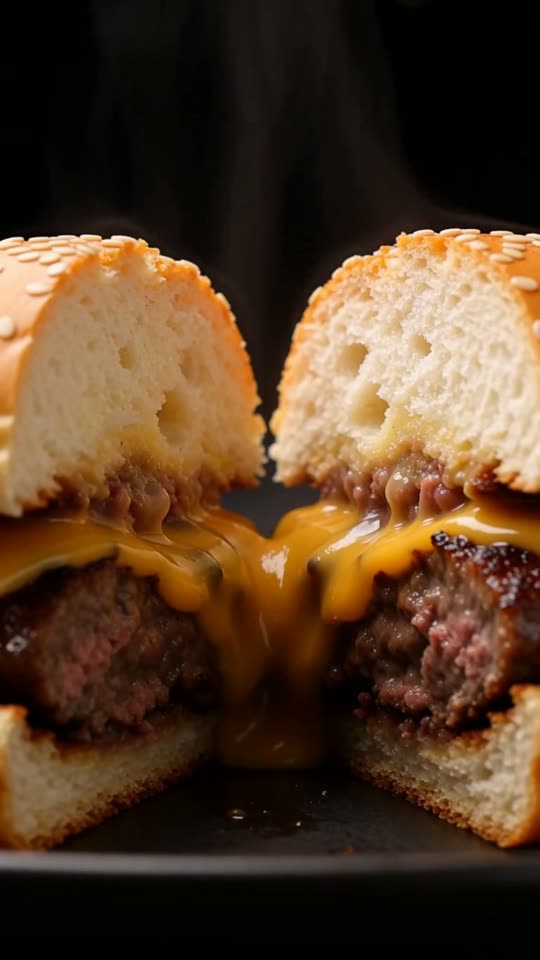
American cheese provides the optimal melting consistency required to anchor double patties together without breaking into greasy oil slicks. Formulated with sodium citrate and emulsifiers, processed American cheese melts smoothly at moderate temperatures, draping over the jagged beef edges and locking in residual steam.
A rich, pillowy brioche bun complements the savory intensity of Wagyu beef. Enriched with butter, eggs, and milk, brioche toasts quickly in melted butter to form a golden moisture barrier, keeping the bread structurally intact against juicy patties and special sauce without becoming soggy.
How does a smash burger compare to traditional burger styles?
Different hamburger preparation techniques prioritize distinct sensory qualities, balancing patty thickness, searing mechanics, and textural payoff:
| Burger Style | Beef Blend | Cooking Surface | Patty Thickness | Signature Crust |
|---|---|---|---|---|
| Wagyu Smash Burger | 80/20 American Wagyu chuck & brisket | Flat cast-iron griddle (220°C+) | Ultra-thin (0.5 cm) | Shatteringly crisp, lacy jagged perimeter |
| Classic Pub Burger | 80/20 Commodity chuck | Charcoal or gas open grill grate | Thick (2.5 cm to 3.5 cm) | Crosshatch grill marks, tender pink center |
| Oklahoma Onion Burger | Ground beef smashed with shaved onions | Steel flat-top plancha | Thin (0.8 cm) | Caramelized sweet onion ribbons fused into beef |
| Steamed Cheeseburger | Lean ground round | Enclosed steam cabinet | Medium (1.5 cm) | Soft, moist, steamed white cheddar mantle |
Where did the smash burger technique originate?
The technique of pressing burgers flat onto hot griddles originated in mid-20th-century American diners and dairy stands across the Midwest. Culinary historians widely credit Bill Culbertsons Dairy Cheer hamburger stand in Ashland, Kentucky, during the 1950s with popularizing the deliberate practice of smashing meat balls flat with a heavy bean can to speed up service and enhance browning.
Across the United States, roadside burger joints embraced the method because thin patties cooked through in under three minutes, allowing high-volume drive-ins to feed motorists quickly. In recent decades, gourmet chefs replaced standard ground chuck with heritage beef breeds and prime cuts, transforming a humble roadside staple into an iconic international culinary format celebrated from Los Angeles to Tokyo.
How to make the Wagyu smash burger
The authentic preparation method, in order:
- Divide 340g of chilled 80/20 ground American Wagyu beef into two loose, round balls (170g each), handling the meat as gently as possible to avoid overworking the grain.
- Heat a heavy cast-iron skillet or flat steel griddle over high heat until lightly smoking (around 230°C / 450°F).
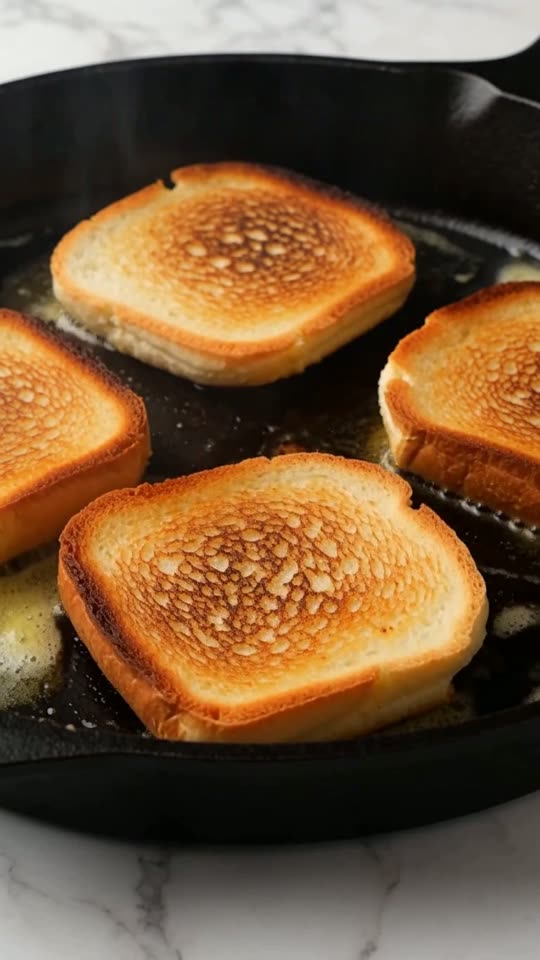
- Toast halved brioche buns cut-side down in 15g melted butter until deep golden, then set aside.
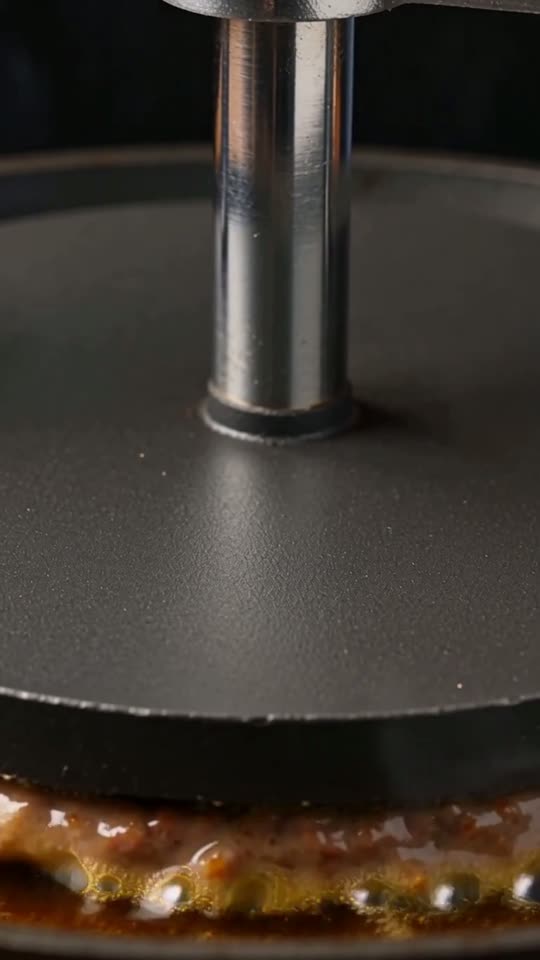
- Place the chilled beef balls onto the dry hot surface. Immediately place parchment paper on top and press down with maximum downward pressure using a heavy burger press for 10 seconds, spreading the meat thin and creating jagged edges.
- Season the sizzling patties generously with coarse kosher salt, cracked black pepper, and garlic powder.
- Cook undisturbed for 90 seconds until dark mahogany crust forms around the perimeter. Scrape firmly beneath the patties with a sharp spatula, flip, and immediately drape each patty with two slices of American cheese.
- Stack the cheesy patties, rest for 30 seconds to allow the cheese to melt, and transfer into the toasted brioche buns with sliced dill pickles, crisp shredded lettuce, and special burger sauce.
Frequently asked questions
Can you smash the patty later during cooking?
No. Smashes must occur within the first 30 seconds while the meat is cold and the fat is solid. Smashing after the fat renders and proteins set forces hot juices out of the meat, resulting in dry, chewy patties.
Why is cast iron preferred over nonstick pans?
Cast iron retains massive thermal mass, preventing the pan from dropping temperature when cold beef lands. Nonstick coatings cannot safely withstand the dry 230°C (450°F) heat required to develop an authentic Maillard crust.
What is the ideal fat ratio for smash burgers?
An 80/20 or 75/25 lean-to-fat ratio is ideal. Smash burgers require abundant rendering fat to fry the jagged edges against the hot steel and create the lacy skirt.
Watch it, cook it, tell us what's next
The film at the top of this page shows every step of this recipe in under 60 seconds, set to an original soundtrack. Watch it on YouTube, Instagram or TikTok, and tell us which classic dish we should make next.
AI-created visuals. Culinary inspiration, not a complete cooking guide.