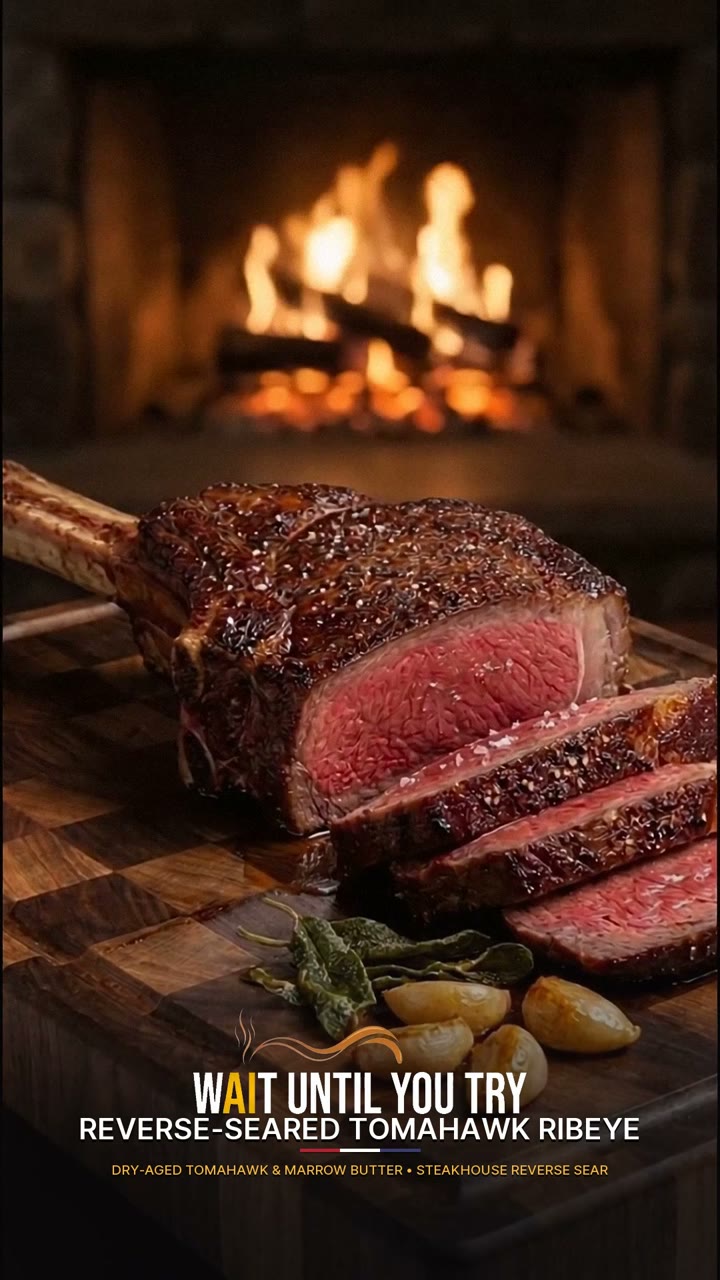
 Place the boneless ribeye on a heavy end-grain black walnut butcher block board after chilling it in the freezer for 35 minutes until firm at the edges. Hold the steak with a curled-knuckle claw grip and shave paper-thin 1.5 mm ribbons across the grain using a razor-sharp 8-inch Damascus chef's knife.
The story and science behind the dish · recipe above ↑
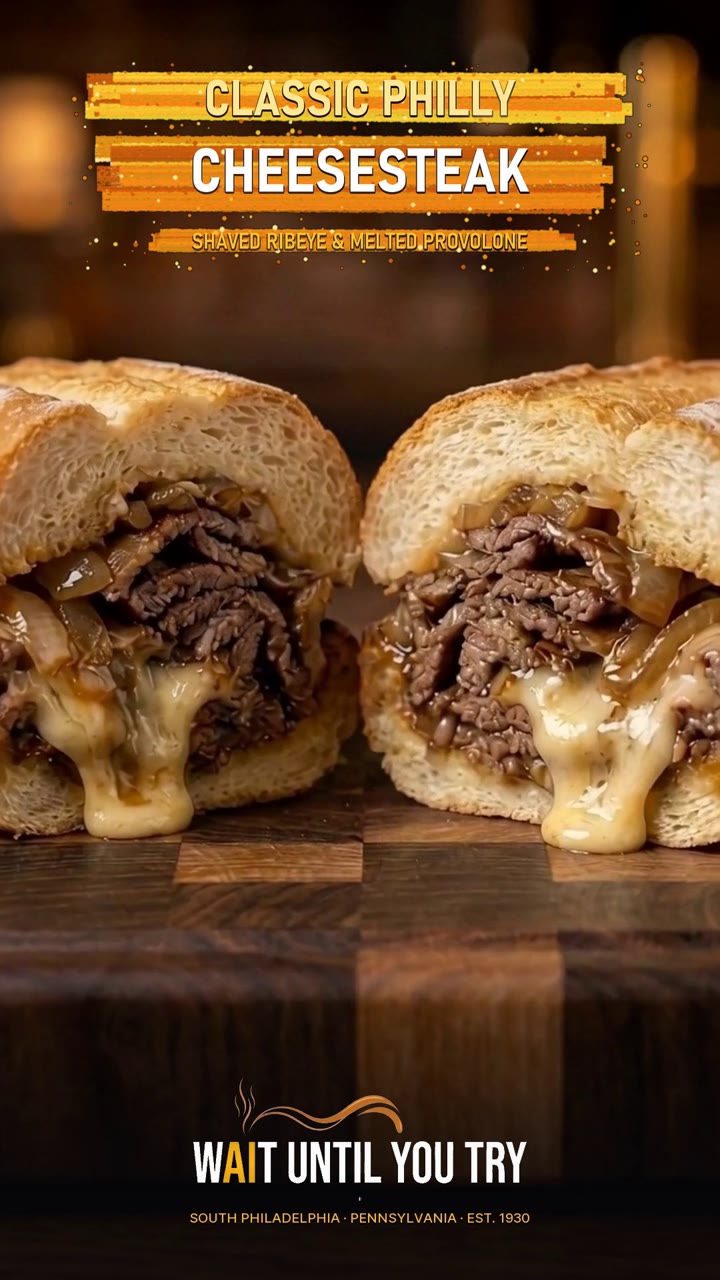
Classic Philly Cheesesteak: Regional Origins, Kitchen Technique, and Step-by-Step Home Method
Classic Philly Cheesesteak is a signature preparation from USA (Philadelphia) (SOUTH PHILLY PASSYUNK • EST. 1930) built around distinct textural layers, practical temperature control, and balanced seasoning. Paper-thin ribeye chopped on a sizzling flattop. Sweet griddled onions. Melted sharp cheese soaking into a soft Italian roll. The Classic Philly Cheesesteak, South Philly style. Grounded in Cheesesteak Culinary History and History Reference, this recipe relies on thorough mise en place and sequential cooking so every component holds its structure from stove to table.
Where does Classic Philly Cheesesteak come from and how did the tradition develop?
Brothers Pat and Harry Olivieri first grilled chopped beef and onions on a roll at their South Philadelphia hot dog stand in 1930. The original had no cheese; American cheese was added in 1951, and cheese sauce followed later in the 1950s. Across regional kitchens in USA (Philadelphia), cooks refined the proportions around locally available produce, dairy, proteins, and aromatics, as noted in Cheesesteak Culinary History and Culinary Arts Reference.
Two structural principles define this regional approach:
- Sequential ingredient staging: Foundational components are prepared first, establishing a stable base before lighter liquids, emulsions, or temperature-sensitive toppings are added.
- Immediate service at peak contrast: In Philadelphia you order by cheese and onions: 'wit' means with onions and 'witout' means without. Serving immediately after the final garnish preserves the boundary between warm or chilled layers.
What role does each ingredient play in the build?
Every ingredient contributes a specific structural or aromatic function inside the finished dish.
| Build Stage | Ingredient | Quantity | Culinary Function & Texture Role |
|---|---|---|---|
| Base foundation | ribeye steak, sliced paper-thin | 700g | Primary structure and moisture balance |
| Base foundation | sweet Spanish onion, diced | 1 large (about 300g) | Primary structure and moisture balance |
| Core body & build | beef tallow or neutral oil | 30g (2 tbsp) | Mid-palate body and contrasting texture |
| Core body & build | soft Italian hoagie rolls, about 25 cm | 4 | Mid-palate body and contrasting texture |
| Finishing & garnish | cheese sauce, or sharp white American cheese | 240g (or 8 slices) | Surface contrast and aroma release at service |
| Finishing & garnish | salt and black pepper | to taste | Surface contrast and aroma release at service |
How does food science explain the texture and flavor balance?
From the perspective of History Reference, the dish depends on three measurable kitchen variables: surface-area geometry, moisture migration, and fat-acid balance.
- Uniform cut and portion geometry: Preparing the foundational ingredients to consistent dimensions ensures even heat or liquid contact across every piece.
- Controlled moisture and solute exchange: When liquids, syrups, or dressings contact cut produce or cooked starches, osmotic pressure draws surface moisture outward while seasoning penetrates the outer layer. Studies in Story Behind The Philly Cheesesteak Reference and Philly Cheesesteak Reference show why timing the liquid addition preserves crisp cell walls and clean boundaries.
- Aromatic release at the summit: Adding volatile aromatics, dairy crowns, or crisp toppings at the final moment keeps aroma compounds concentrated at the top of the serving vessel.
Why do temperature and vessel preparation matter before assembly?
Whether served chilled in tall glassware or plated hot from the pan, pre-conditioning the serving vessel prevents thermal shock. As documented in Philly Cheesesteak Reference, an unconditioned vessel accelerates melting or condensation along the walls, diluting sauces before service.
Preparing all sub-components and mise en place before assembly allows the cook to move cleanly from the base layer to the final garnish without rushing.
How do you make Classic Philly Cheesesteak step by step at home?
Ingredients (Serves 4)
- 700g ribeye steak, sliced paper-thin
- 1 large (about 300g) sweet Spanish onion, diced
- 30g (2 tbsp) beef tallow or neutral oil
- 4 soft Italian hoagie rolls, about 25 cm
- 240g (or 8 slices) cheese sauce, or sharp white American cheese
- to taste salt and black pepper
Method
- Step 1: Slice: Freeze the ribeye for 20-30 minutes until firm, then slice it as thinly as you can.
- Step 2: Onions: Heat half the tallow on a griddle or wide skillet over medium-high heat and cook the onions with a pinch of salt until soft and golden, about 7 minutes. Push them aside.
- Step 3: Sear: Add the remaining tallow, turn the heat to high and lay the beef in a thin layer. Season, sear 1-2 minutes, then chop it into small pieces with two spatulas.
- Step 4: Combine: Mix the onions into the beef and shape it into 4 roll-length piles.
- Step 5: Cheese: Lay the sliced cheese over each pile to melt, or spoon warm cheese sauce into the open rolls.
- Step 6: Flip: Set an open roll face down over each pile, slide a spatula underneath and flip the whole thing in one move. Serve hot.
What common mistakes hurt the texture of Classic Philly Cheesesteak?
- Inconsistent knife work or portioning: Unevenly sized pieces disrupt cooking times and mouthfeel. Cut or portion components uniformly before heating the pan or assembling.
- Dressing or saucing too early: Combining the liquid bath or finishing drizzle too early allows moisture migration to soften crisp garnishes. Keep wet and dry components separate until assembly.
- Skipping vessel temperature prep: Match the serving vessel temperature to the dish so cold elements stay frosty and warm elements retain their heat.
Frequently asked questions
Can you prepare the components of Classic Philly Cheesesteak ahead of time?
Yes. Most foundational components and sauces can be portioned, diced, or simmered several hours in advance and refrigerated in airtight containers. Hold back delicate fruits, crisp batters or wafers, herbs, and dairy crowns until right before serving.
How do you keep the textures distinct when serving Classic Philly Cheesesteak?
Prepare sauces, custards, or garnishes first, then build from the heaviest foundational ingredients at the base toward the lightest toppings at the summit as practiced in Cheesesteak Culinary History.
What adjustments work if a specialty regional ingredient is unavailable?
Match the functional profile—acidity, sweetness, fat content, and crunch—rather than substituting at random. Principles of Culinary Arts Reference emphasize balancing the primary acid and fat ratios so the dish retains its regional character.
How should leftovers be stored?
Because the dish relies on contrasting textures assembled right before service, it is best enjoyed fresh. Store leftover base components separately from crisp garnishes in a sealed container in the refrigerator for up to 24 hours.
Watch the short film
Browse the complete recipe collection, send a recipe request, and follow our kitchen series on YouTube, Instagram, and TikTok.
AI-created visuals. Culinary inspiration, not a complete cooking guide.