



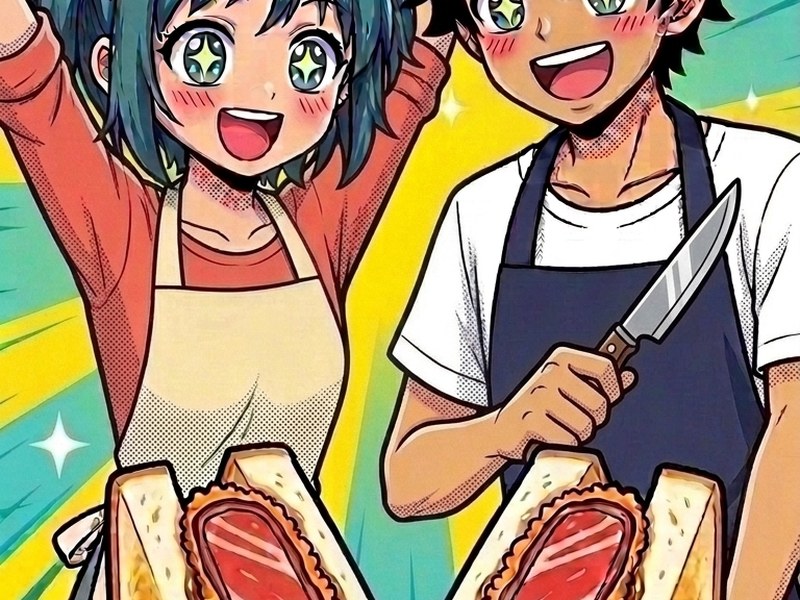
The story and science behind the dish · recipe above ↑
Japanese Wagyu Katsu Sando: The Tokyo Luxury Cutlet Sandwich, Explained
What is a Wagyu Katsu Sando?
A Wagyu Katsu Sando is an ultra-premium Japanese cutlet sandwich featuring a thick cut of Japanese or Australian Wagyu beef breaded in crispy panko, flash-fried to medium-rare, and brushed with tangy tonkatsu sauce inside toasted Japanese milk bread (shokupan). Created in Tokyo's high-end culinary scene, it represents the luxury evolution of Japan's classic yoshoku cutlet tradition.
Unlike standard pork cutlet sandwiches, a Wagyu Katsu Sando elevates beef marbling into a melt-in-your-mouth centerpiece. The contrast between shatteringly crisp panko breadcrumbs, savory umami sauce, tender ribeye, and pillowy crustless bread creates one of the world's most sought-after gastronomic sandwiches.
Why is Japanese milk bread (shokupan) the required base?
Japanese milk bread (shokupan) is essential because of its cloud-like softness and delicate elasticity. Made using the tangzhong (water roux) method, shokupan retains extraordinary moisture, baking into square Pullman loaves with a tender, feather-light crumb that compresses gently under bite pressure without crushing the fried meat inside.
If firm sourdough, crusty baguettes, or dense sandwich bread were used, the pressure required to bite through tough bread crusts would squeeze the tender Wagyu cutlet out of the sandwich. Pillowy crustless milk bread yields instantly to teeth, ensuring bread, crisp coating, and juicy steak arrive together in every bite.
How does the panko crust insulate the Wagyu ribeye?
Authentic Japanese panko breadcrumbs are made from crustless white loaves baked using electric resistance heating rather than open oven flame. This industrial baking technique produces elongated, needle-like crumbs that absorb less oil and fry lighter than Western granular breadcrumbs.
During deep frying at 180°C (350°F), the triple coating of flour, beaten egg, and airy panko forms an insulating crust. This crisp shell seals in internal moisture and allows radiant heat to penetrate slowly, rendering fine Wagyu fat channels to warm medium-rare while preventing the delicate interior meat from overcooking into toughness.
What gives Tonkatsu sauce its complex sweet-savory punch?
Tonkatsu sauce is a thick, dark Japanese condiment developed during the Meiji era, inspired by British Worcestershire sauce but formulated specifically for fried meats. It blends simmered apples, prunes, and tomatoes with brewed soy sauce, vinegar, molasses, and warm spices.
The rich acidity of fruit vinegar and sweet fruit sugars cuts through the intense fat marbling of Wagyu beef. Brushing both sides of the hot cutlet with tonkatsu sauce immediately upon emerging from frying oil allows the warm sauce to fuse into the outer panko layer without dampening crunch.
How does a Wagyu katsu sando compare to traditional Japanese sandwiches?
Japanese café culture (kissaten) and convenience retail have perfected diverse sandwich styles across Japanese cuisine:
| Sandwich Format | Primary Protein | Cutlet Thickness | Breading Style | Sauce / Spread |
|---|---|---|---|---|
| Wagyu Katsu Sando | A5 / Australian Wagyu ribeye or tenderloin | Thick cut (2.5 cm to 3.5 cm) | Coarse white panko | Sweet-savory tonkatsu sauce & Japanese hot mustard |
| Classic Tonkatsu Sando | Berkshire pork loin or tenderloin | Medium cut (1.5 cm to 2.0 cm) | Standard panko | Tonkatsu sauce & shredded green cabbage |
| Menchi Katsu Sando | Minced beef and onion patty | Uniform oval patty (2.0 cm) | Fine panko | Worcestershire reduction & Kewpie mayonnaise |
| Tamago Sando | Chilled mashed egg salad | Soft spreadable egg mixture | No breading / unbreaded | Japanese mayonnaise & touch of dashi |
Where did the katsu sando originate in Japan?
The cutlet sandwich emerged in Tokyo during the 1930s. The historic restaurant Tonkatsu Isen in Ueno claims to have invented the original pork katsu sando in 1935, trimming crusts so female geisha working nearby could enjoy hot cutlets without smudging their elaborate makeup.
In the early 2000s, luxury Tokyo steakhouses like Wagyumafia and Shima in Nihonbashi reimagined the casual street sandwich into an opulent gastronomic masterpiece. Chefs swapped commodity pork for high-grade Wagyu beef tenderloin and ribeye, turning the katsu sando into an international culinary icon featured in luxury dining destinations from Ginza to London and New York.
How to make the Wagyu Katsu Sando
The authentic cooking method, in order:
- Season a 250g thick-cut Wagyu ribeye or striploin steak (about 3 cm thick) generously on all sides with sea salt and cracked black pepper.
- Dredge the steak lightly in all-purpose flour, dip into a bowl of beaten egg, and press firmly into fresh Japanese panko breadcrumbs until completely covered.
- Heat neutral frying oil (such as rice bran or canola oil) in a heavy pot to 180°C (350°F).
- Lower the breaded steak gently into the hot oil and fry for 90 seconds on each side (3 minutes total) until the panko turns deep golden and crisp while the center remains rare to medium-rare.
- Transfer the cutlet to a wire rack and rest for 3 minutes to allow residual heat to distribute juices evenly through the beef.
- Lightly toast two thick slices of Japanese milk bread (shokupan) in butter, spreading a thin layer of hot karashi mustard on one slice.
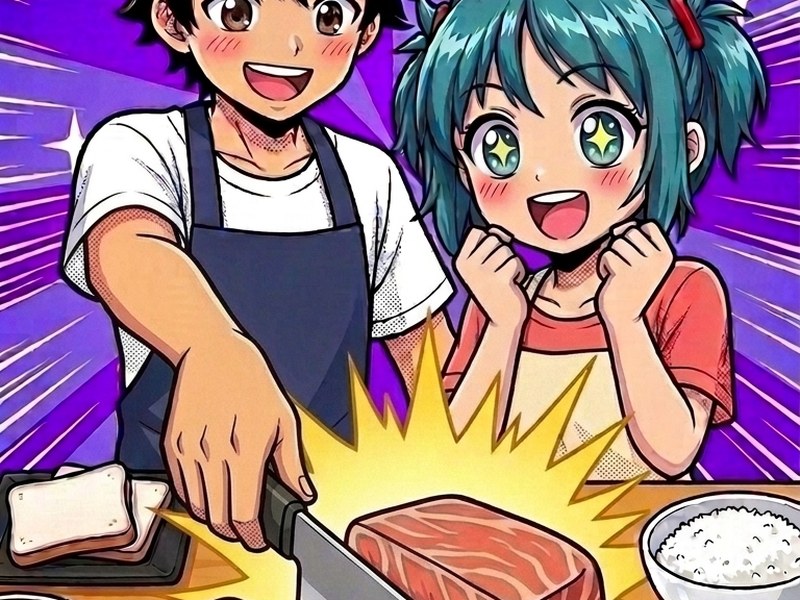
- Brush both sides of the warm crispy Wagyu cutlet generously with tonkatsu sauce, assemble the sandwich between the toasted bread, press gently under a small board for 60 seconds, slice off the outer crusts, and halve diagonally to reveal the blushing pink beef cross-section.
Frequently asked questions
What cut of Wagyu is best for katsu sando?
Tenderloin (chateaubriand) or ribeye are ideal. Tenderloin offers unmatched tenderness that bites through cleanly, while ribeye delivers deeper beef flavor and richer rendered fat marbling.
Why are bread crusts trimmed off?
Trimming crusts highlights the contrasting textures of pillow-soft crumb and crispy fried panko, ensuring no chewy bread edge distracts from the tender Wagyu meat.
Can regular breadcrumbs substitute for panko?
No. Western breadcrumbs absorb excessive frying oil and create a dense, sandy coating. Only Japanese panko creates the airy, needle-like crunch characteristic of authentic katsu.
Watch it, cook it, tell us what's next
The film at the top of this page shows every step of this recipe in under 60 seconds, set to an original soundtrack. Watch it on YouTube, Instagram or TikTok, and tell us which classic dish we should make next.
AI-created visuals. Culinary inspiration, not a complete cooking guide.